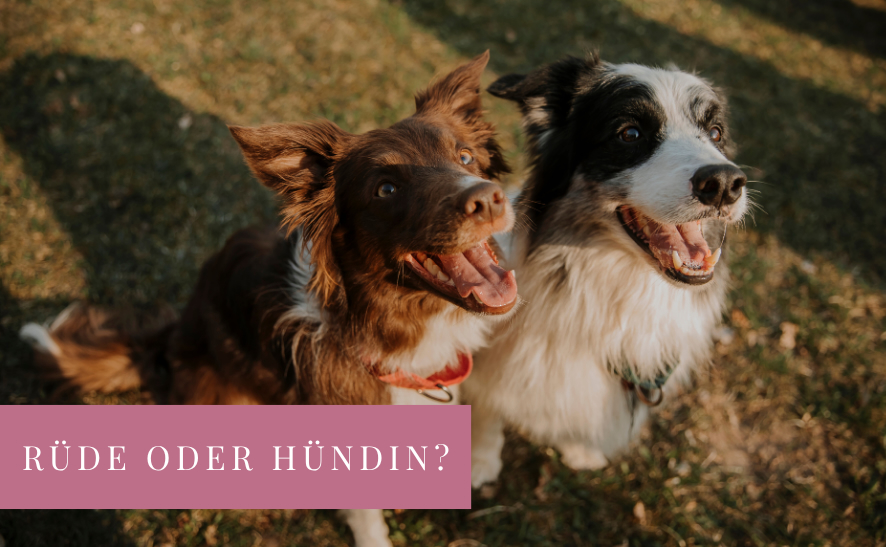
You’ve finally made up your mind: you’re going to get a dog. Maybe you’ve already decided on the breed, found a breeder, or checked out the animal shelter. And then comes the question that almost all dog lovers ponder at some point: male or female? Or is it female or male, depending on who you ask first?
First off: There’s no wrong answer. But there are a few real differences you should be aware of so you won’t be caught off guard later. Here’s an honest comparison.
Male dogs are usually slightly larger and heavier, mark their territory more, and react strongly to female dogs in heat. Female dogs typically go into heat twice a year and, on average, live slightly longer. However, a dog’s temperament, breed, and training have a much greater influence on its behavior than its gender.
What is a male dog, and what is a female dog?
A male dog is called a "Rüde," and a female dog is called a "Hündin." Incidentally, the term "Rüde" is also used for other canids, such as foxes and wolves. An unneutered male dog is sometimes also called an "intakter Rüde."
Male or Female: What Are the Real Differences?
Many so-called personality differences are actually just stereotypes. A male Golden Retriever may be more sociable than a spirited female terrier. And a Rottweiler—whether male or female—primarily exhibits the typical traits of its breed.
Real differences arise primarily fromsex hormones: testosterone in male dogs and the estrous cycle, involving estrogen and progesterone, in female dogs. These hormones influence body type, marking behavior, and the phases surrounding estrus. How this manifests in everyday life depends heavily on training and the environment.
A Direct Comparison of Male and Female Dogs
| Male dog | female dog | |
|---|---|---|
| Dimensions and Weight | usually a little bigger and heavier | usually a little smaller and lighter |
| Cycle | No estrus cycle, but ready to mate year-round | They typically go into heat twice a year, though for some breeds it is once a year |
| Select | marks frequently and extensively | is usually less common |
| Restlessness Caused by Hormones | when there are female dogs in heat nearby | Everything You Need to Know About Heat and False Pregnancy |
| Life expectancy (median) | 12.4 years | 12.7 years |
Note: These are general trends, not rules. Every dog is unique.
The life expectancy figures come from alarge British study involving more than 580,000 dogs(McMillan et al., Scientific Reports, 2024). So there is a difference, but at 0.3 years, it is very small.
What are the advantages of getting a male dog?
Many owners find their male dogs to be affectionate and playful, some even into old age. This isn’t scientifically proven; it depends heavily on the individual dog. If it’s a good fit, you’ll have a companion who loves to participate and approaches training with great enthusiasm.
The biggest practical advantage: Male dogs don't have a cycle. That means no heat, no bloodstains on the sofa, and no weeks when you have to avoid other dogs in the neighborhood while walking your dog.
What are the downsides of getting a male dog?
Male dogs come with their own set of challenges:
- Marking:Unneutered male dogs like to lift their legs on every tree and around every corner. Some even try to do it at home, especially when they're in unfamiliar surroundings.
- Heartbreak:If your male dog smells a female dog in heat nearby, he may be restless for days, howl, eat poorly, and be almost unresponsive.
- Adolescence:Between about 6 and 18 months of age, young male dogs like to test boundaries. They often engage in posturing with other male dogs, though it’s usually more for show than anything serious.

What are the advantages of getting a female dog?
Female dogs are often described as being somewhat calmer and more independent. When they are not in heat, many owners find them to be well-balanced and predictable. In families with children, female dogs often have a reputation for being particularly cautious. However, this, too, is based more on personal experience than on a general rule.
Another plus: Female dogs tend to mark their territory much less. This often makes walks more relaxed, and you can cover more ground faster.
What are the downsides of getting a female dog?
The most important thing to know is theheat cycle. For most female dogs, it occurs twice a year and lasts about three weeks. During this time, you can expect:
- Bleeding:The severity varies greatly from one female dog to another.
- Mood swings:Some female dogs become more affectionate, while others become more irritable or have trouble concentrating.
- Male Dog Magnet:Unneutered male dogs will follow any scent trail. Letting them run free is virtually impossible during this time.
- False Pregnancy:A few weeks after being in heat, some female dogs act as if they have puppies. They build nests, mother toys, or become restless. Learn more in "False Pregnancy in Dogs: Symptoms & Duration."

Male or female: Which is a better fit if you already have a dog?
If you already have a dog, the gender of the new addition does matter. Amale-female pair is usually the easiest to manage. However, this is only true if one of the two is spayed or neutered. If both are intact, you’ll need to keep them strictly separated twice a year for about three weeks. It’s best to consult your veterinarian to determine whether spaying or neutering is an option for one of your dogs.
Two female dogscan get along wonderfully. However, many dog trainers report that when conflicts arise, they’re often more serious than among male dogs.Two male dogsare often more relaxed around each other than many people think, as long as both are well-socialized.
The most important thing, anyway, is the chemistry between them. If possible, let the dogs get to know each other on neutral ground several times before they move in.
Is neutering the solution?
Neutering primarily changes hormone-driven behaviors: the sex drive in male dogs and the heat cycle in female dogs. Learned behaviors, such as disobedience or pulling on the leash, do not disappear, however. Therefore, proper training cannot replace neutering, and vice versa.
Timing is also important. A study bythe University of California, Davis (2020)involving 35 breeds shows that, depending on the breed, early spaying or neutering can increase the risk of certain joint or cancer-related conditions, whereas for many small breeds, the risk is minimal. For this reason, there is no one-size-fits-all recommendation.
For male dogs, there’s also the option of first testing out neutering with ahormone chip. It has a temporary effect, so you can see how your dog behaves without testosterone. At first, his behavior may become more intense for a short time; the full effect doesn’t kick in until a few weeks later.
The decision to spay or neuter is a medical one. Always discuss it with your veterinarian.
Male or Female: 5 Questions to Help You Decide
-
How much time do you have for walks?
Male dogs like to mark their territory. If you want to make good time, this can be exhausting.
-
Can you go without Freilauf for about three weeks twice a year?
If not, a female dog that hasn't been spayed is more difficult to handle. When she's in heat, you have to adjust your plans!
-
Do you already have a dog?
If both are intact, the decision is usually a foregone conclusion.
-
Are there a lot of intact dogs in your neighborhood?
Male dogs are more likely to suffer from heartbreak; a female dog in heat attracts a lot of attention.
-
Which race and personality type are right for you?
This question is almost always more important than gender.
It depends on the dog, not just on its gender
Both male and female dogs have wonderful qualities, and both have their quirks. If you want to avoid heat cycles and breaks to let your dog run free, you’ll often find it more relaxing to walk a male dog. If you prefer brisk walks and find marking annoying, a female dog will make a pleasant companion. Ultimately, personality, breed, and how you train them together will determine how well you’re suited to each other.
Frequently Asked Questions: Male or Female Dog
Which is easier, a male dog or a female dog?
There’s no one-size-fits-all answer. It really depends on the individual dog. As a general rule, male dogs don’t go into heat, but they mark their territory more and react strongly to females in heat. Female dogs are often easier to handle on walks, but they require special attention for about three weeks twice a year.
Are female dogs calmer than male dogs?
Many owners find that female dogs are somewhat calmer when they are not in heat. However, this is not always the case. Breed, personality, and training have a much greater influence on a dog’s temperament than gender.
Do female dogs live longer than male dogs?
Minimal. In a British study involving more than 580,000 dogs, the average life expectancy for female dogs was 12.7 years, and for male dogs, 12.4 years. Breed and size have a much greater influence.
How often does a female dog go into heat?
Most female dogs go into heat twice a year; some breeds only once. A heat cycle usually lasts about three weeks. You can find everything you need to know about the different phases in our guide to the heat cycle in female dogs.
Female or Male Dog: Which Is Best for Beginners?
Both genders are suitable for first-time owners. What's more important is that the breed, energy level, and temperament fit into your daily life.
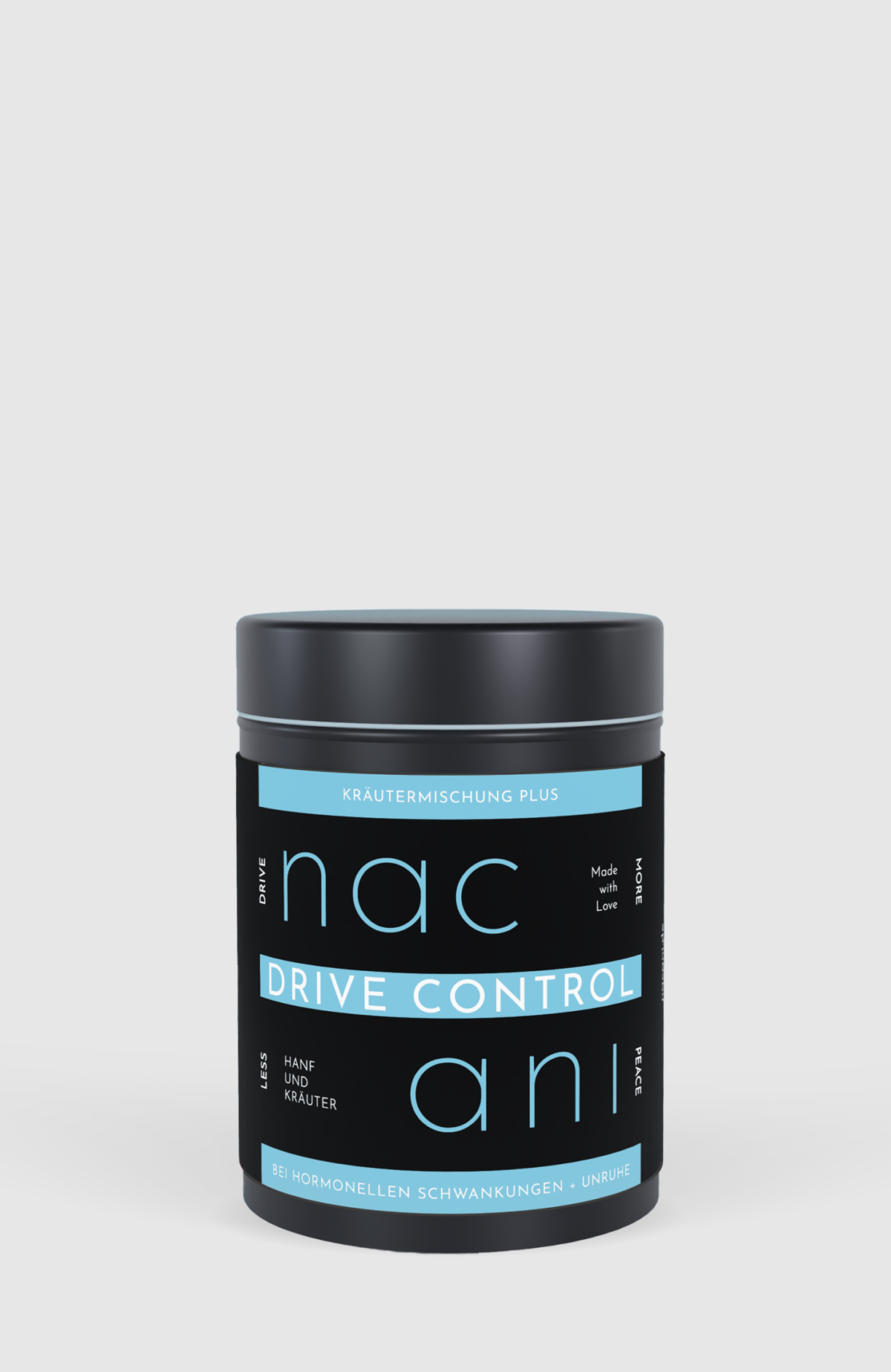
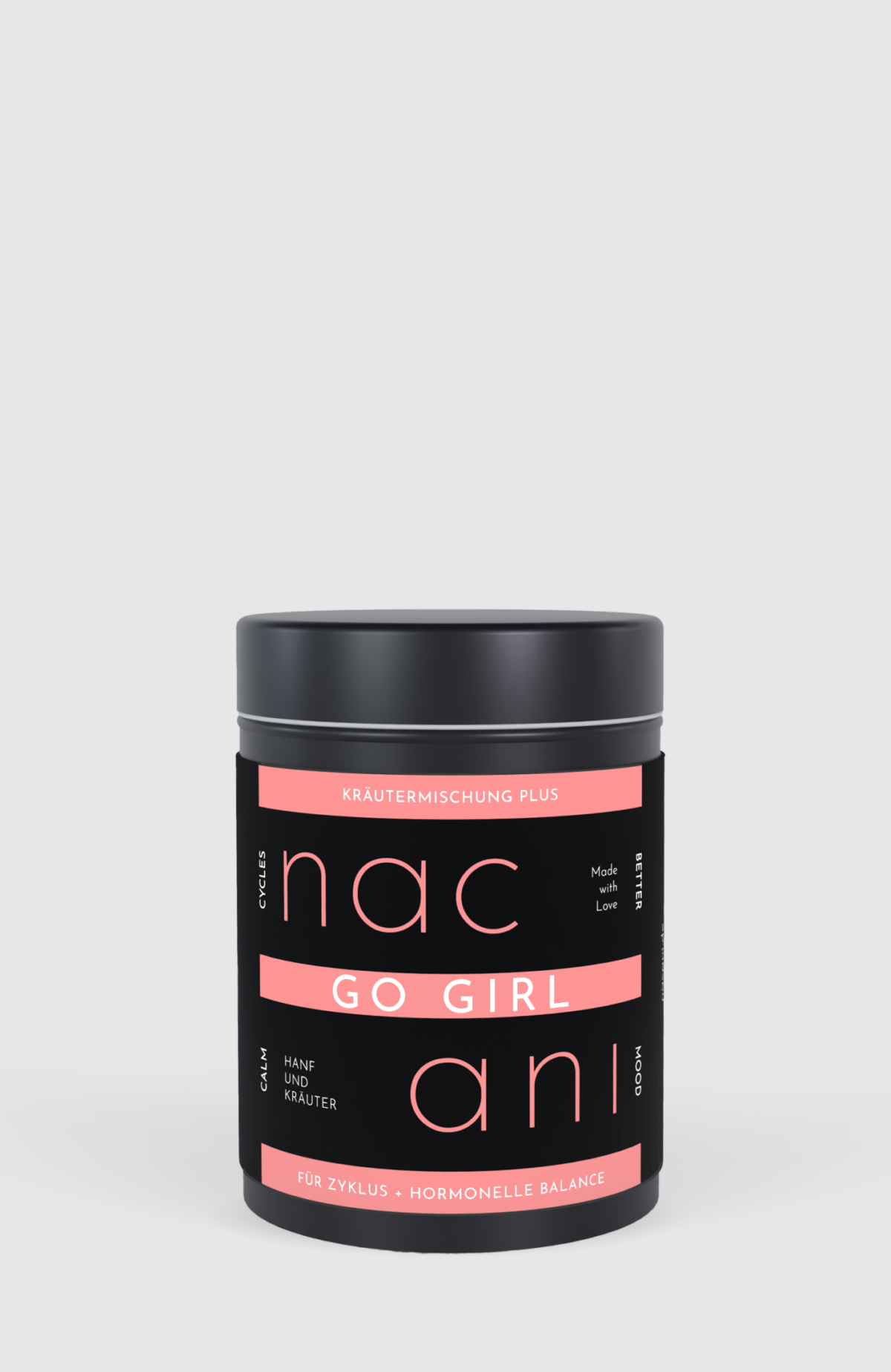
Do something nice for your dog – with nacani!
Whether it's a male or female dog, hormonal changes are a natural part of life. Our herbal blends, made in our Bavarian workshop, consist of 100% natural ingredients and are a great, gentle way to support your dog.
About the Herbal BlendsWe explain how CBD works in your dog’s body in“CBD for Dogs: Effects, Safety, & Dosage.” And if you’d like to chat with other dog owners, feel free to join ournacani Facebook group. For more behind-the-scenes insights, follow us on Instagram.